Passport and Travel Information
Travel to Europe After Brexit – What You Need to Know
There have been a number of changes and adjustments to travel for British passport holders visiting the EU since Brexit. With the recent announcements regarding the Entry/Exit System (EES), we have put together a quick summary of what you need to know would be useful.
.png)
Post-Brexit Travel Basics
Since leaving the European Union (EU), the UK is no longer part of the EU’s freedom of movement arrangements. UK passport holders can still visit most European countries without a visa for short trips, but only for up to 90 days within any 180-day period.
This applies to countries within the Schengen Area, including popular destinations such as France, Spain, Italy and Germany. For longer stays, you may need a visa or residence permit, depending on the purpose and duration of your stay.

Entry/Exit System (EES)
The Entry/Exit System (EES) is a new automated IT system that will register non-EU travellers entering and leaving the Schengen Area.
It will replace the manual stamping of passports with electronic records of entry and exit dates. The system is designed to strengthen border security and monitor compliance with the 90/180-day rule more effectively.
When the system is introduced, travellers will be required to provide biometric data, including fingerprints and a facial image, on their first entry. While the long-term aim is to streamline border crossings, there may be delays during the initial rollout as passengers and border authorities adapt to the new procedures.
European Travel Information and Authorisation System (ETIAS)
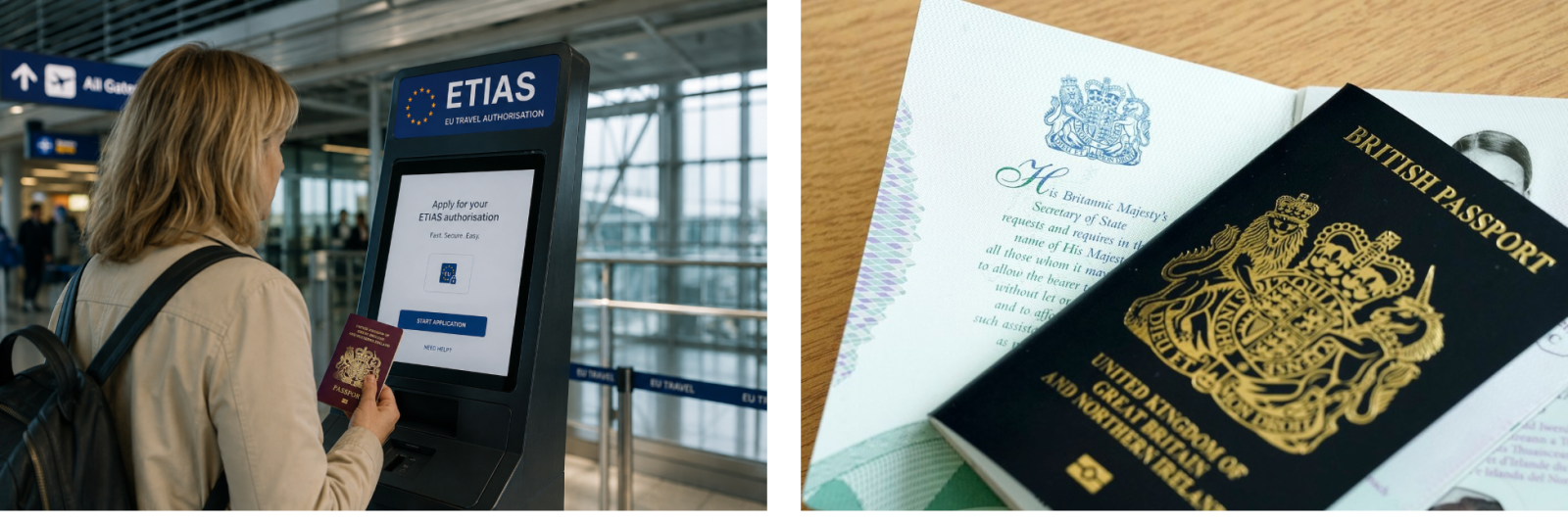
UK passport holders will soon need to obtain an ETIAS authorisation before travelling to countries within the Schengen Area.
ETIAS is not a visa; it is a pre-travel authorisation for visa-exempt travellers. Similar systems already operate in countries such as the United States, Canada and Australia.
The online application process is expected to take around 10 minutes and will require applicants to provide personal details, travel information and answers to a number of security questions. The fee is expected to be approximately €7 for eligible applicants.
Once approved, an ETIAS authorisation is expected to remain valid for three years or until the passport used in the application expires, whichever comes first.
This information was correct at the time of writing. Please always check the latest entry requirements for overseas destinations on the GOV.UK website before you travel to help ensure a hassle-free trip.
Checking your Passports validity before you travel
Whether you’re on holiday, a work trip or jetting away on a gap year or career break, travelling abroad can be exciting. But, before you take off, there’s a few things you need to sort out first.
One of the most important is making sure your passport’s still valid. In fact, it’s just as essential as taking out travel insurance or having the right foreign currency.
For travel to most European and Schengen countries, your UK passport must meet two specific requirements: it must have been issued less than 10 years before the date you enter the country, and it must be valid for at least 3 months after the day you plan to leave.
Breaking Down the Rules
Understanding both validity dates—Date of Issue and Date of Expiry—is key to ensuring smooth travel.
- The 10-Year Rule: When traveling to the EU, border control checks the date of issue on your passport. Your passport cannot be older than 10 years on the day you enter.
- The 3-Month Rule: When traveling home, your passport must have at least 3 months of validity remaining calculated from the date you intend to depart the destination.
- The "Extra Months" Trap: If your passport was issued before September 2018, you may have had up to 9 months of "unspent" time from your old passport added to your new one. Even if your passport officially appears unexpired, the 10-year limit on EU entry is strictly based on the printed issue date.
Exceptions & Special Cases
- Ireland: Ireland is part of the Common Travel Area, and the UK-Ireland passport rules remain largely unchanged.
- Worldwide Destinations: Outside the EU/Schengen area, the 10-year rule generally does not apply, though many destinations still require 3 or 6 months of validity on your passport from your date of arrival.
- Children's Passports: Under-16 British passports are issued for 5 years, meaning this 10-year rule is naturally satisfied for kids (though the 3-month post-trip validity requirement still applies).
Always ensure your documents are perfectly in order before travel. You can quickly check your travel documents and look up the specific entry requirements for your destination using the GOV.UK Foreign Travel Advice portal.
This information was correct at the time of writing. Please always check the latest entry requirements for overseas destinations on the GOV.UK website before you travel to help ensure a hassle-free trip.
If in Doubt, Ask
If you’re unsure about any travel requirements, speak to your travel agent (Above The Clouds - Luxury Escapes) before you travel.
These are details you want to get right before you leave. Nobody wants the stress of being delayed—or, in a worst-case scenario, refused boarding at the airport because of an avoidable paperwork issue.